A Practical Guide to Linen Textiles: Weaves, Fibers, and Care
Examining the science behind linen and related textiles—from fiber origins and weave structures to care rituals that extend longevity. This article blends rigorous textile terminology with accessible guidance, grounding readers in real-brand examples to illuminate durable, comfortable bedding and linens.
A fiber with a storied past
Linen, woven from the fibers of the flax plant, traces a lineage that stretches back thousands of years. Its reputation for breathability and temperature regulation made it a staple in warm climates and hospitality alike. In the modern home, linen continues to be valued not only for its tactile presence but for its durability and environmental footprint. Compared with cotton and synthetic blends, flax fibers tend to gain softness with each wash while maintaining structural integrity. This dual quality—cool hand feel and lasting performance—explains linen’s enduring appeal in premium bedding lines and everyday essentials alike.
Beyond linen, the textile landscape includes fibers such as long-staple cotton and specialized percale blends. The textiles we encounter in high-quality bedding often fuse these materials to balance feel, strength, and care requirements. For readers seeking the best of both worlds—luxury and practicality—an understanding of fiber origin and weave behavior is indispensable. The following sections unpack these ideas with clarity and concrete examples from recognized brands that foreground care and longevity.
Weaves that shape feel and performance
Weave structure determines drape, texture, and the hand of a fabric. In bedding, the plain weave offers a crisp, breathable surface—an ideal baseline for shirtsleeve summers and steady, year-round use. Percale, a closely woven plain weave, tends to give a smooth, matte surface with a crisp hand. Its lightweight character makes it a favorite for hotel-inspired sets and summer environments where airflow is prized. Sateen, by contrast, uses a higher thread-to-weave ratio to produce a softer, more lustrous surface that glides over the skin; it brings a touch of luxury to cooler months where warmth is desired without bulk.
Several product examples illuminate these differences in practice. Finna Flat Sheet, for instance, highlights a 100% extra-long-staple cotton percale with a modern, minimal aesthetic. Classico Flat Sheet, crafted from linen, brings a crisp, cool surface with a refined hemstitched edge. Estate Flat Sheet blends percale with sateen appliqué for a mid-weight, versatile sheet that can anchor a layered bed for all seasons. Reading these fabrics side by side helps readers match a weave to their climate, care preferences, and decorative aims.
Fibers and their telltale characteristics
Linen fibers, harvested from flax, are known for breathability and moisture-wicking capability. They offer a natural resilience that improves with wear in a way that many synthetic fibers cannot. Organic linen, such as Organic Relaxed Linen Sheet Sets, adds an assurance of sustainability—GOTS certified and produced with careful sourcing from France and Portugal—without compromising on the tactile richness of the fabric.
Cotton, especially long-staple variants used in Percale and Sateen constructions, provides a different baseline: smoother, more uniform hand, and a broader color range. Some modern linens embrace cotton blends (e.g., linen and cotton blends) to balance warmth, softness, and care needs. Consumers are reminded to consider post-wash performance: does the fabric retain its shape, does it resist pilling, and does it maintain colorfastness after repeated laundering?
Care as a design discipline: practical guides and checklists
Care instructions are not mere afterthoughts; they are integral to the lifespan of textiles. The recommended approach for high-quality linen—whether organic flax, Belgian linen, or long-staple cotton percale—emphasizes cool washes, selective drying, and minimal heat exposure. For linens, air drying or tumble drying on a low heat setting helps maintain fiber integrity, reduce wrinkling, and protect hems. Fabrics finishing and laundering chemistry—plant-based softeners for linen or enzyme-based pre-treatments for cotton—play a role in preserving texture and color. Always follow brand-specific guidance, such as those issued by Coyuchi for Organic Relaxed Linen Set or Naturepedic Linen Sheets, to optimize results over time.
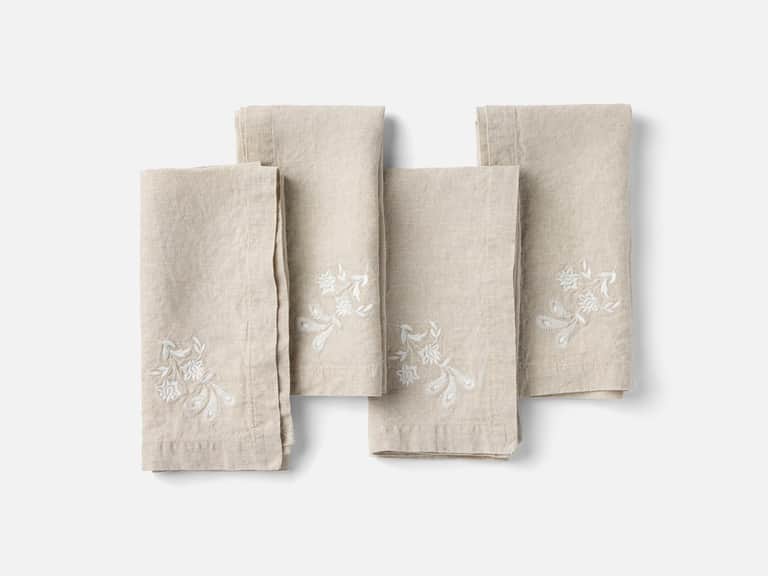
A practical care checklist, grounded in real product contexts, might include: wash with like colors, avoid chlorine bleach, use gentle cycles for linen, and iron on a cotton setting when desired to reintroduce crisp lines. For linen napkins, like the Verbena Embroidered Organic Linen Napkins (Set of 4) by Coyuchi, the embroidery adds detail that benefits from gentle handling in washing to preserve stitch clarity and texture. The goal is to translate technic into habit—care rituals that readers can adopt without feeling overwhelmed.
Key figures in linen textile history
To ground the narrative in human craftsmanship, we profile three individuals whose lives intersect with linen—across distant eras and diverse cultures—whose work foreshadows today’s emphasis on sustainable, carefully crafted textiles.
Cloth Merchant of Flanders, 14th Century
In the late medieval Low Countries, linen merchants curated intricate textile trade, connecting flax growers in rural Flanders with urban ateliers in Bruges and Ghent. Their networks enabled the diffusion of high-density weaves and linen finishing techniques that produced fabrics with extraordinary durability. This era’s emphasis on traceable supply chains foreshadows contemporary concerns about provenance and sustainability. In studying linen’s journey from field to table or bed, we glimpse a web of relationships that predates modern branding yet remains central to material identity.
Marie Curie and the Material Science of Textiles, Early 20th Century
In a different domain, the early 20th century witnessed scientists turning textile materials into research objects—fibers, finishes, and fabrics were analyzed with the seriousness of laboratory subjects. While Curie’s work focused on radioactivity, the era’s broader engagement with materials science laid groundwork for modern textile engineering: understanding fiber behavior under heat, moisture, and mechanical stress. This perspective informs today’s discussions about fiber content, microfibers, and the environmental implications of laundering.
Contemporary Textile Designer: Coyuchi’s Ethos of Certified Linen
In the present moment, designers and manufacturers foreground certifications, transparency, and slow-living aesthetics. Coyuchi’s Organic Relaxed Linen Set epitomizes a modern philosophy: organic flax grown in France, linen woven in Portugal, and GOTS certification signaling environmental responsibility. Themaker’s emphasis on sustainable sourcing, plant-based softeners, and wash-friendly maintenance reflects a continuity with linen’s historic adaptability—still, today’s practice extends to governance, ethics, and lifecycle thinking.
Brand contexts: real-world products that embody linen philosophy
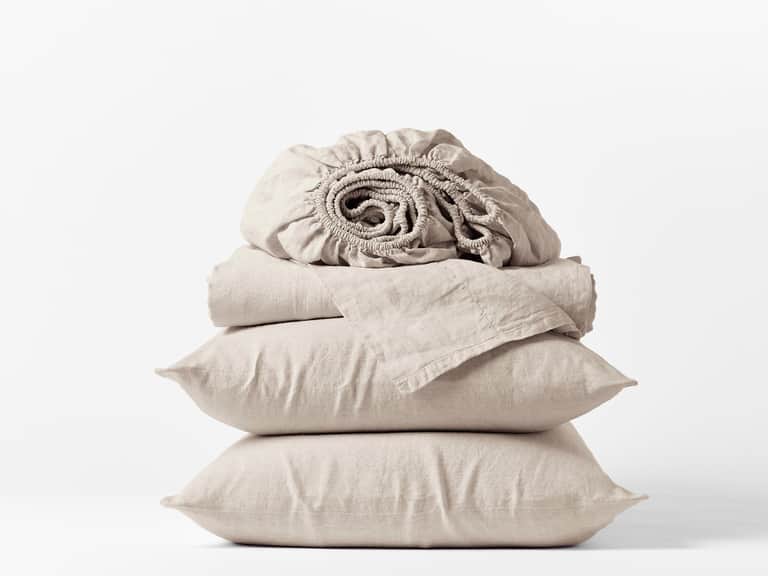
To illustrate the texture, finish, and care principles outlined above, a handful of product contexts anchor the discussion in tangible examples. The Verbena Embroidered Organic Linen Napkins (Set of 4) from Coyuchi demonstrate nineteenth-century-inspired flora embroidery on 100% organic linen sourced from France and woven in India. Such napkins typify how linen’s tactility elevates everyday rituals—from meals to ceremonies—while maintaining modern care practicality: machine washable and durable for daily use. The Organic Relaxed Linen Sheet Set, aligned with GOTS certification, offers a complete bedding system that emphasizes breathability, temperature regulation, and a relaxed drape that softens with time.
Verbena Embroidered Organic Linen Napkins, Set of 4
Luxe linen with bicycle-floral embroidery, emblematic of linen’s capacity to balance sophistication with everyday use. GOTS certified; 100% organic linen from France, woven in India. Size 20" x 20". Care: machine wash cold; tumble dry low; warm iron if desired. A refined table ritual that carries a hint of historical craft into modern dining.
GOTS-certified linen bedding that champions breathable, temperature-regulating comfort. The sheet set features a 15-inch deep pocket fitted sheet with full elastic and cuffs finished with pick stitching. Sourced from France and Portugal with a focus on responsible processing.
A proposed site architecture: content that informs and endures
This article presents a blueprint for a site dedicated to textiles and care—an educational hub that grounds readers in fiber choice, weave logic, and practical care. The site can feature in-depth guides (fiber origins, weave differences, finishing processes), a glossary of textile terms, care schedules, and brand-grounded case studies that illustrate real-world applications. The goal is to deliver editorial depth with a calm design language that mirrors the tactile nature of linen: clean lines, neutral palettes, and careful typography that invites slow reading and thoughtful engagement.
Conclusion: linen as a disciplined choice
In linen textiles, readers find a material that embodies a philosophy—one that respects craft, values sustainability, and embraces the practical demands of daily life. By understanding fiber origins, weave behavior, and care regimes, readers can choose bedding and table linens that endure, age gracefully, and reveal beauty through time. The examples cited here—from Verbena napkins to Organic Relaxed Linen Sheet Sets—demonstrate how brands translate centuries of linen craft into contemporary practicality. The result is a home that feels grounded in nature, informed by science, and sustained by thoughtful care.
Elevate everyday meals with these corner-embroidered linen napkins: ultra-soft, durable 100% French-grown linen, easy care, and a subtle textured embroidery for refined tablescapes that still wash beautifully. Set of 4, GOTS certified.
Luxuriously breathable linen that softens with every wash, built to last with organic French flax and plant-based care. Experience cool, durable comfort, easy care, and a relaxed, snug fit that stays smooth night after night.
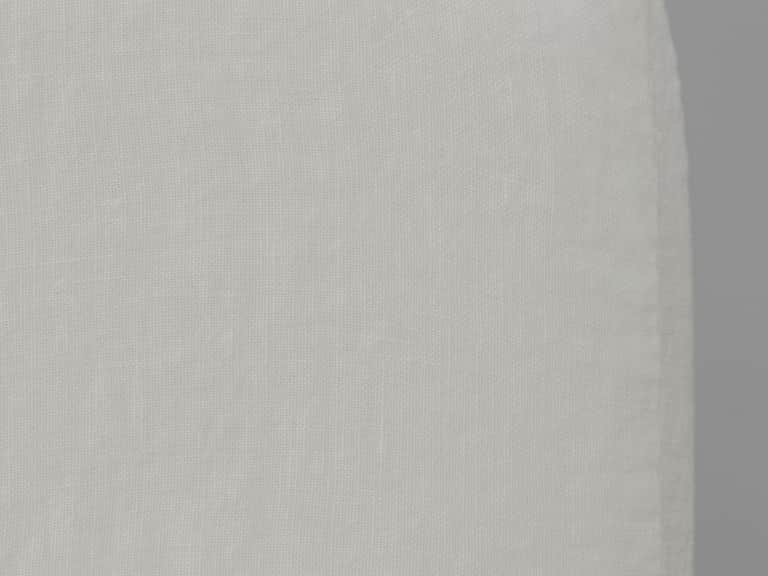
Soft froissé linen sheets that stay comfy in any season, regulate temperature, and wash easily—no ironing needed. Pair with any bed, timeless texture meets modern ease for effortless, luxurious sleep.