Duvets are insulating bedding layers designed to provide warmth and comfort beneath a top sheet or duvet cover. Their warmth depends on fill type, weight, and construction, making them useful across different climates and sleeping preferences. Understanding these features helps distinguish a duvet’s function from that of sheets, blankets, and pillows.
A duvet cover surrounds the duvet insert, helping protect it from everyday wear, body oils, and dust while adding a washable outer layer to bedding. Closures and corner ties can help keep the insert in place. As a removable part of a bed’s linens, a cover also makes it easier to adjust the look and feel of bedding.
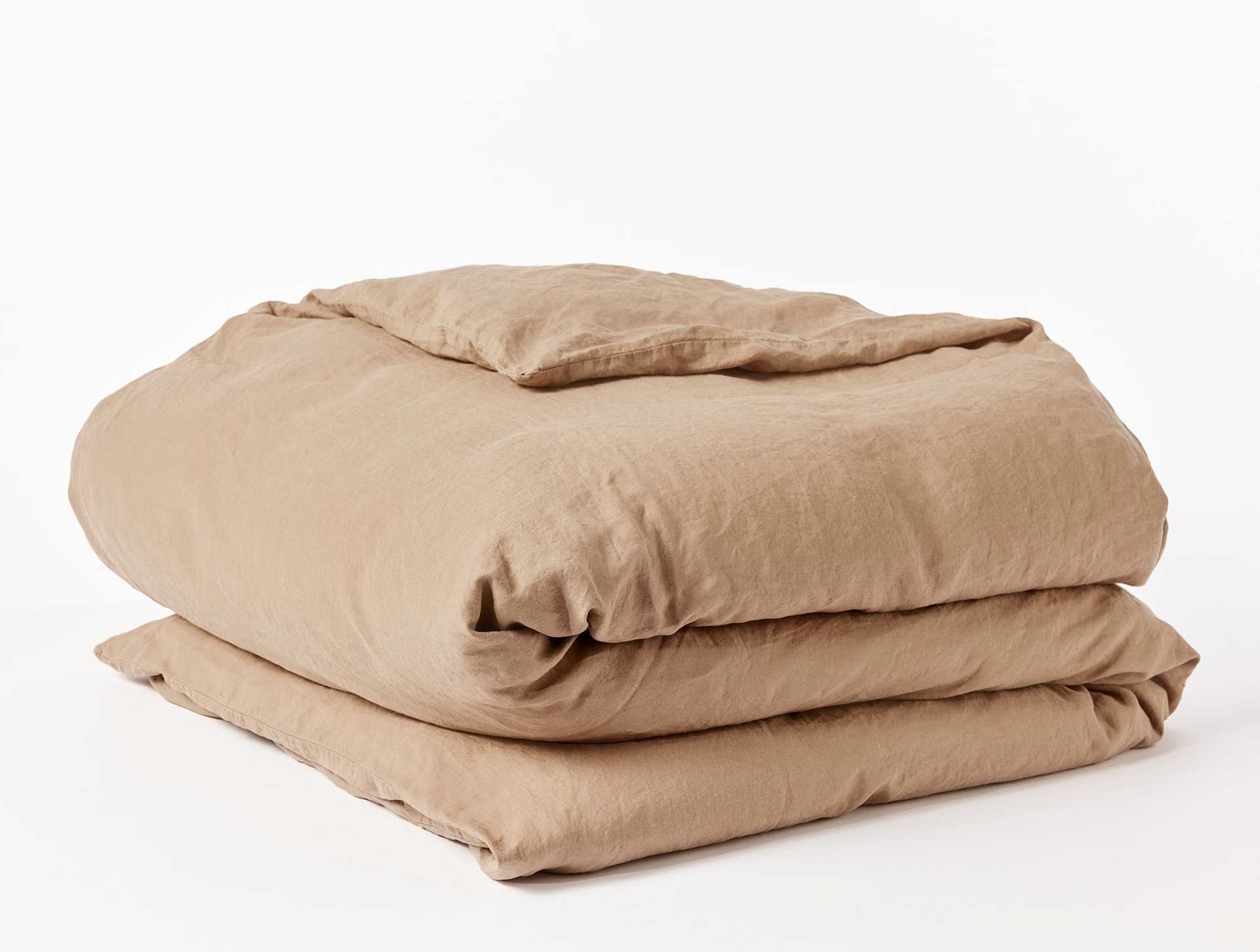
The Organic Relaxed Linen Duvet Cover is characterized by linen fabric with a naturally relaxed texture and an organic material focus. Linen’s breathable weave can support airflow and comfort through changing temperatures. Its softly textured appearance brings a casual finish to a bed, while the cover serves the practical purpose of protecting a duvet.
When choosing a duvet and cover, consider dimensions, fill warmth, fabric feel, and laundering requirements. A correctly sized cover helps limit shifting and bunching, while breathable materials may suit sleepers who prefer less heat retention. Coordinating the cover with sheets and pillows can create a consistent bedding setup without changing the duvet’s insulating role.
Duvets are often paired with fitted and flat sheets, pillowcases, and pillows to form a layered bedding system. Down pillows provide a separate source of head and neck support, while duvet covers protect the insulating layer. These distinct functions help people compare bedding components by comfort, maintenance, material, and intended use.
 Bedding